Report, Rewiring Aotearoa,

Southland homes could save $310 million a year by going electric

Rewiring Aotearoa's new Electrifying Southland report puts local numbers on it: $7,700 a year off the average household's energy bills, or $3,800 a year after paying for the gear, and 1,500 new local jobs.

$7,700a year off the average Southland home's energy bills

Report, Rewiring Aotearoa,

Local numbers for Invercargill, Gore and Southland District

The regional report is broken down by council area. Invercargill households alone could save $170 million a year; Southland District $93 million; Gore $46 million.

3council areas, each with its own electrification report

Our report, Electrify Southland,

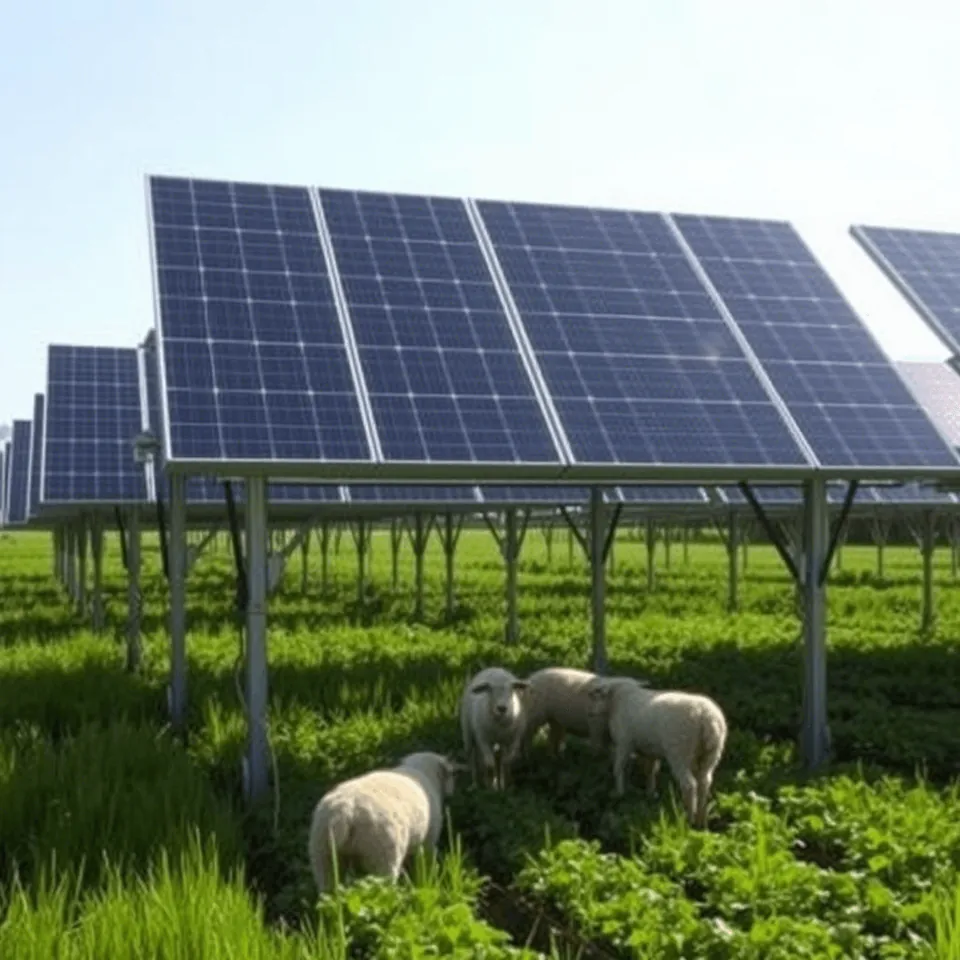
Powering Forwards: solar and batteries vs diesel generators on Southland farms

Launched at Waimumu Field Days after the October 2025 storms. A dairy farm with 50 kW of solar and a 75 kWh battery comes out around $220,000 ahead over 20 years in the base case, with no grants assumed.

$220k20-year net benefit, dairy base case, no grants

Report, Rewiring Aotearoa,

Te Whakahiko i ngā Marae: the Electric Marae report

Rewiring Aotearoa and the National Iwi Chairs Forum set out what electrifying marae could mean for running costs, resilience and whānau.

From Rewiring Aotearoa

News, Rewiring Aotearoa,

Powered from within: New Zealand-made energy is New Zealand security

Every litre of liquid fuel we use arrives by ship. Electrifying homes, farms and vehicles swaps imported fuel for energy made here.

From Rewiring Aotearoa

Report, Rewiring Aotearoa,

Electric Homes and Vehicles 2026: the savings gap has doubled since 2024

The national research behind the regional reports. An all-electric home is about $3,000 a year better off after upfront costs and interest.

From Rewiring Aotearoa

Electrify SouthlandElectrifying Southland together

Join us in transforming our region into a haven of electrification, prosperity and empowered community.

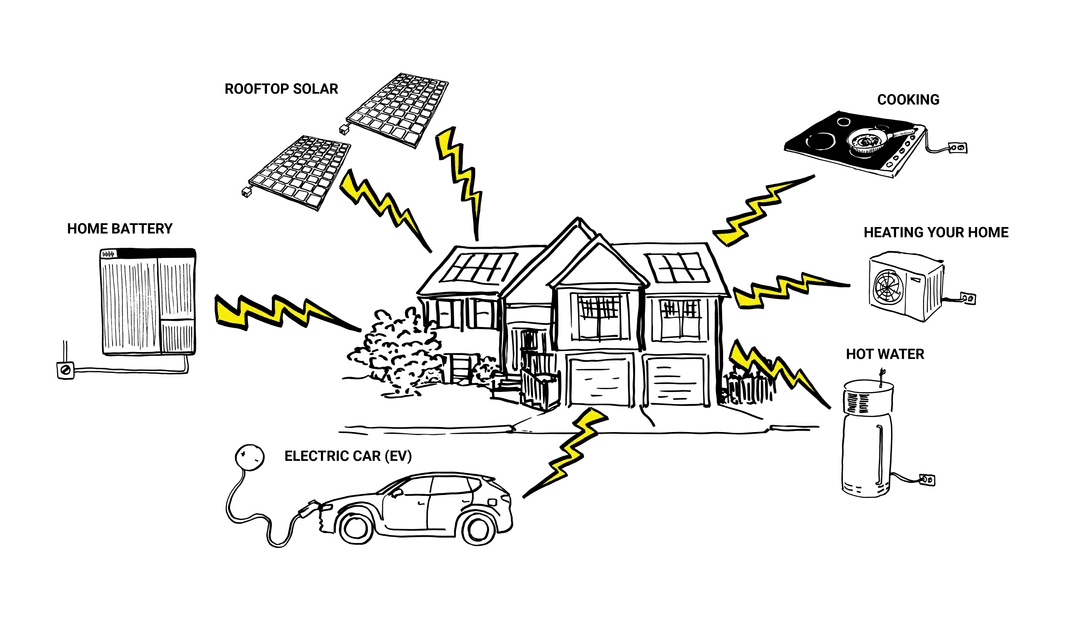
Hand-drawn house with rooftop solar, home battery, heat pump, hot water heat pump, induction cooktop and an electric car, each linked by lightning bolts

On-farm solar report: why solar and batteries beat diesel generators on Southland farms.

Read the report Download the PDF
Electrify Southland logo

Our core values

At Electrify Southland, we believe in uniting our community to drive the transition to clean energy. Together, we can electrify our homes and businesses for a healthier, more sustainable future.

We want Southland to lead on clean, affordable electrification, working together so every home, farm and business shares the gains.

The vision: Southland, electrified

Electrifying homes, farms, businesses and transport for a cleaner, more prosperous and more energy-resilient Southland.

Farms

Electric farms

Our Powering Forwards report, launched at Waimumu Field Days in February 2026, sets out the economics of solar and battery systems for different Southland farm types. It compares them with diesel generators, the resilience option many farms have been weighing up since the October 2025 Southland windstorm.

About $220,000 ahead of diesel over 20 years on a typical dairy farm, base case, no grants
Business

Business boost

Switch to electric solutions with an attractive return and better business continuity. Our guide covers EECA co-funding, Great South support, green business loans and the practical first steps for Southland firms.

Homes

Homes electrified

Transform your living space with affordable electrification that lowers your bills and your carbon footprint: heat pumps, hot water heat pumps, induction, EVs, solar and batteries.

$7,700 a year off the average Southland home's energy bills

What going electric is worth in Southland

Southland households spend about $550,000 a day on fossil fuels, most of it imported petrol, diesel and LPG. Rewiring Aotearoa's October 2026 report finds that electrifying homes and vehicles, with solar and batteries on most roofs, would cut household energy bills across the region by $310 million a year.

$7,700
off the average Southland home's energy bills each yearLPG appliances and two petrol cars, compared with an electric home with two EVs, solar and a battery. 2026 prices.
$3,800
a year better off after paying for the equipmentIncludes upfront costs and loan interest at 5.5%. About $57,000 over 15 years.
119,000
fossil fuel machines in Southland homesCars, heaters, water heaters and cooktops that will need replacing anyway.
1,500
new local jobsInstallation work plus savings spent in the local economy.
210,000 tonnes
of CO₂e avoided every year

Region-wide savings assume electric appliances and vehicles in all homes plus rooftop solar and batteries on 80% of homes. Source: Rewiring Aotearoa, Electrifying Southland, v1.0, 15 October 2026.

Your home, one switch at a time

You don't have to do it all at once. Southland savings for each swap, from the regional report.

  • From flued LPG heater toHeat pump
    $36,000over 15 years, including upfront cost
    7,200 LPG heaters in Southland homes
  • From LPG instant hot water toHot water heat pump
    $9,200over 15 years, including upfront cost
    5,800 LPG water heaters
  • From LPG cooktop toInduction cooktop
    $1,900on energy bills over 15 years
    6,100 LPG cooktops
  • From petrol medium SUV toElectric medium SUV
    $12,000net over 15 years
    99,400 petrol and diesel cars
  • From grid power only to9 kW solar + 10 kWh battery
    $2,500off power bills every year
    Financed solar about 12c/kWh vs 26c/kWh from the grid

Join our upcoming events

Community gatherings to learn, share and push electrification forward in Southland.

Audience at an electrification talk in a field days marquee
Dates to be confirmed

Electrification workshop

An interactive workshop on the latest electrification technology and how to use it at home: heat pumps, hot water, solar, batteries and EVs. Meet local experts and neighbours who have already made the switch, and work through practical options for your own place.

Register your interest
Illustration of four people with headsets around a table discussing Southland electrification charts
Dates to be confirmed

Monthly electrification call

Talk through the latest thinking and action around the region. Network, present your own initiatives, and get inspired to do more. Open to anyone in Southland working on, or curious about, going electric.

Register your interest

Get involved

Join our Facebook community group, or fill in the form to get email newsletters, event notices, or to volunteer and help grow this movement.

General discussion and feedback welcome.

  • Occasional email newsletter with local news and new research
  • Invitations to workshops and the monthly electrification call
  • Volunteer roles: events, stories, council submissions, design and data
  • A local network of people who have already made the switch

Sign-up form

Get on the discussion group list, or just sign up for newsletter updates.

Form not loading? Open the sign-up form.

Guides and resources

Home Electrification Guide

A simple step-by-step guide for Southland homeowners: list your appliances, work out daily kWh, cut demand first, then size solar and batteries to what is left.

Business Electrification Strategies

Where Southland businesses can get help to electrify: EECA co-funding, Great South, green business loans, and the practical first steps.

Electric Vehicle Basics

Where Southlanders can find reliable, official information on electric vehicles: costs, charging, road user charges, and where to charge around Invercargill, Gore and Te Anau.

Common questions

How much could a Southland household save by going electric?

About $7,700 a year on energy bills for an average Southland home that switches from LPG heating and cooking and two petrol cars to electric appliances, two EVs, and a 9 kW solar and 10 kWh battery system, at 2026 prices. After paying for the equipment on a 5.5% loan it is still about $3,800 a year better off, or $57,000 over 15 years. Source: Rewiring Aotearoa, Electrifying Southland, October 2026.

How much could Southland save as a region?

Southland households could cut their combined energy bills by $310 million a year, about $850,000 a day, if homes electrify and 80% add solar and batteries. Between 2026 and 2040 that is $2 billion in bill savings, or $1.3 billion net of upfront costs.

Does rooftop solar work this far south?

Yes. Southland gets less sun than the north, and our Powering Forwards farm modelling uses a 13% solar capacity factor against about 15% nationally. Even so, Rewiring's Southland report finds solar pays back well for local homes, because financed solar works out at about 12c/kWh against roughly 26c/kWh from the grid.

Is solar and a battery better than a diesel generator on a farm?

Usually, yes. Our Powering Forwards report found a dairy farm with 50 kW of solar and a 75 kWh battery comes out about $220,000 ahead of a diesel generator over 20 years in the base case, with no grants. Solar and battery won on net present value in nine of ten scenarios. Read the farm report.

Where should I start?

Start with whatever is due for replacement. When a gas heater, hot water cylinder, cooktop or car reaches the end of its life, replace it with the electric version. In Southland the biggest single household saving is usually swapping an LPG heater for a heat pump. Our home electrification guide shows how to list your loads and cut demand before sizing solar.

How do I pay for it?

Most big New Zealand banks offer green home loan top-ups at lower rates for heat pumps, solar, batteries and EVs, and green business loans for firms. Rewiring Aotearoa is also pushing councils to offer low-interest electrification loans repaid through rates. Ask your bank, and ask your council whether it will join.

Who is Electrify Southland?

A volunteer community group convened by Invercargill energy engineer Nathan Surendran, and the Southland group in Rewiring Aotearoa's Electric Communities network. We share local numbers and honest advice, publish local research such as the Powering Forwards farm report, and work with councils, lines companies and community groups to make electrification easier here.